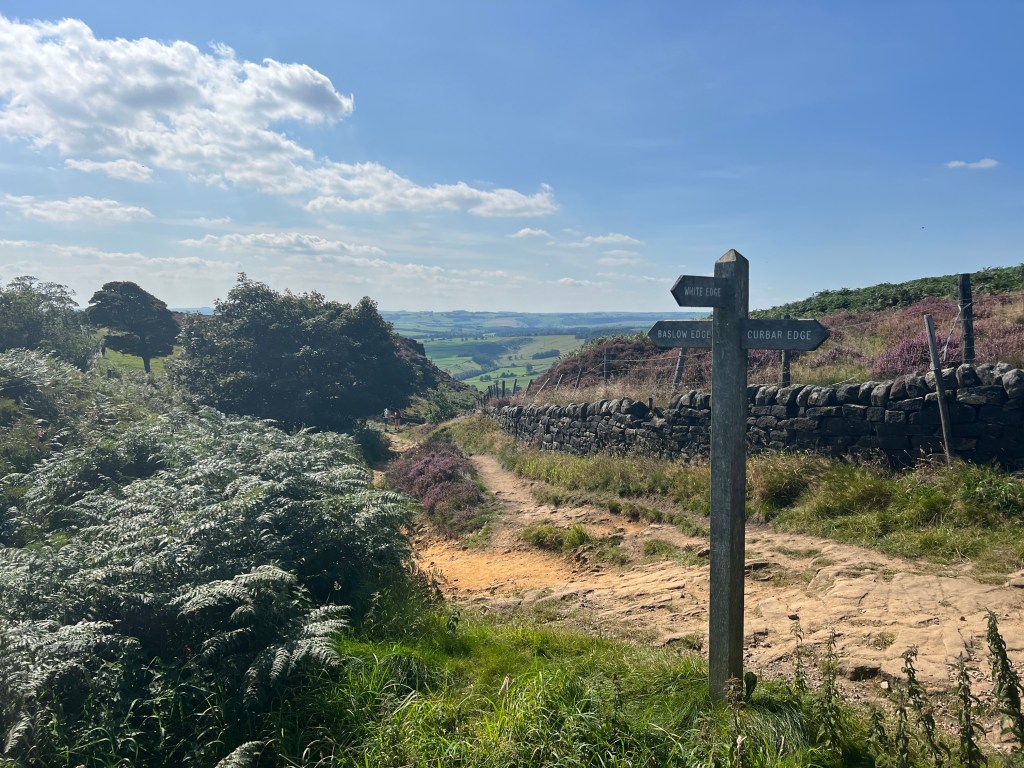
Up on the aptly named Big Moor earlier doing a loop around Peak Edges; White, Curbar and Froggat. As always, breathtaking scenery, vast sky and the freedom of the ban on dogs off leads lifted as we head into Autumn. I mean every which way you look, dazzling views.
“Wow, there’s the guy that paints trigs! I read about him on Facebook yesterday.”
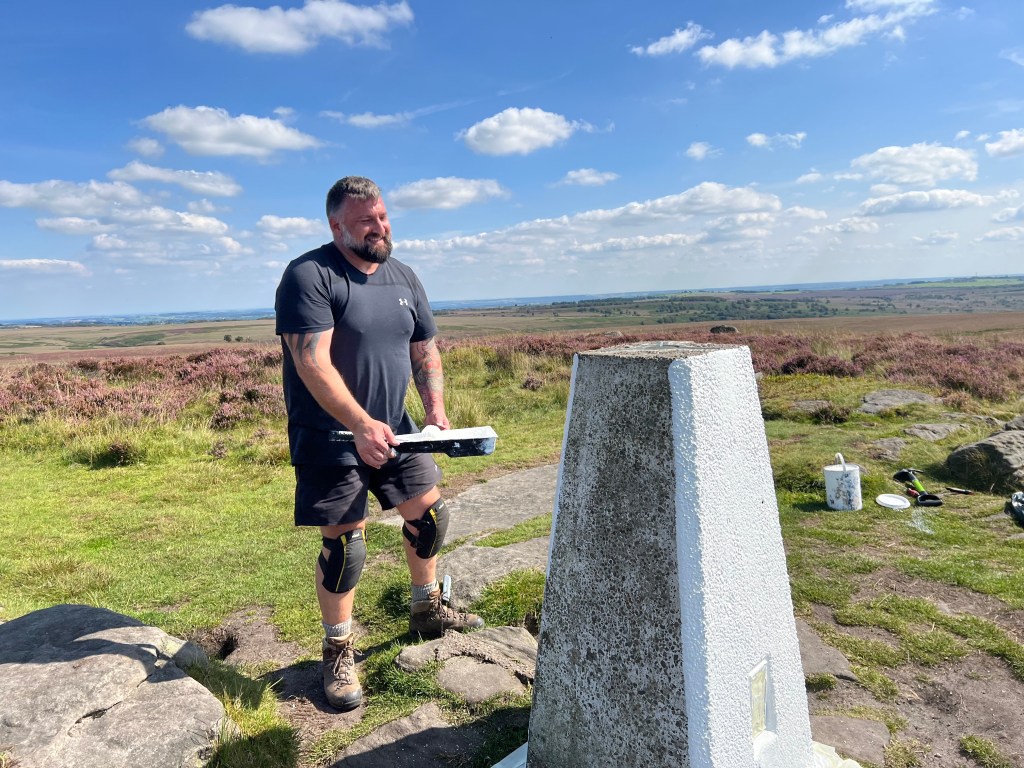
And there he was. Paint tin, masking tape, paint tray, roller and an almost brilliantly white trig.
The story? He began painting trigs during lockdown. After being stopped by police picking up litter about 1am in his home town and questioned about what he was doing (ridding the streets of empty beer cans), he decided to go up to nearby Bleaklow and start tidying up there. The dullish grey trig caught his attention because it had been white when he was a boy. He decided to paint it.
Someone came along and said there was another one that needed doing a couple of miles away. He thought he’d better find out who owns them before he painted any more. He contacted the Ordnance Survey bods who said if you want to paint them, crack on.
A serious illness and bereavement set him back several months, now he’s back on the job at weekends, lugging all the equipment despite ongoing pain. Chatting and joking with walkers alongside doing a careful paint job.
‘What’s your favourite trig?’
‘Kinder,’ he said without missing a beat. ‘Although if you’re local, it’s this one.’
Peak legend.
Practicalities: 6 mile loop, good dog walking on first half (before the drop becomes sheer at Curbar, terrifyingly so), not too much of a climb (park in Haywood National Trust car park or the car park at Curbar Edge which has a handy coffee and ice-cream van). Grouse Inn pub grub well worth a swerve, the Curbar section of the walk is popular at weekends.
A circular walk from Eyam [eem] to Middleton Stoney earlier. A weekend of leaked WhatsApp messages showing government ministers grotesquely gaming the pandemic.
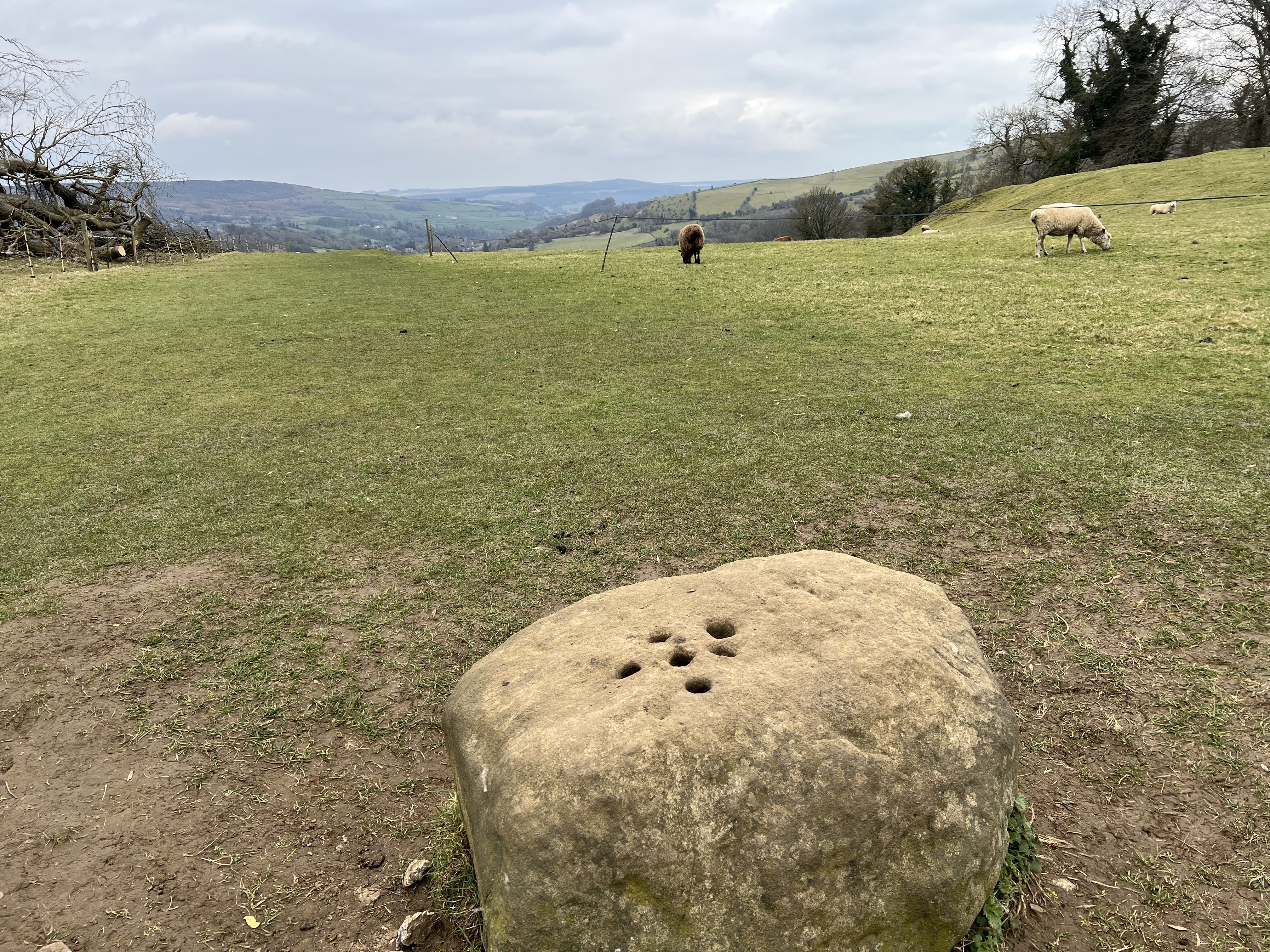
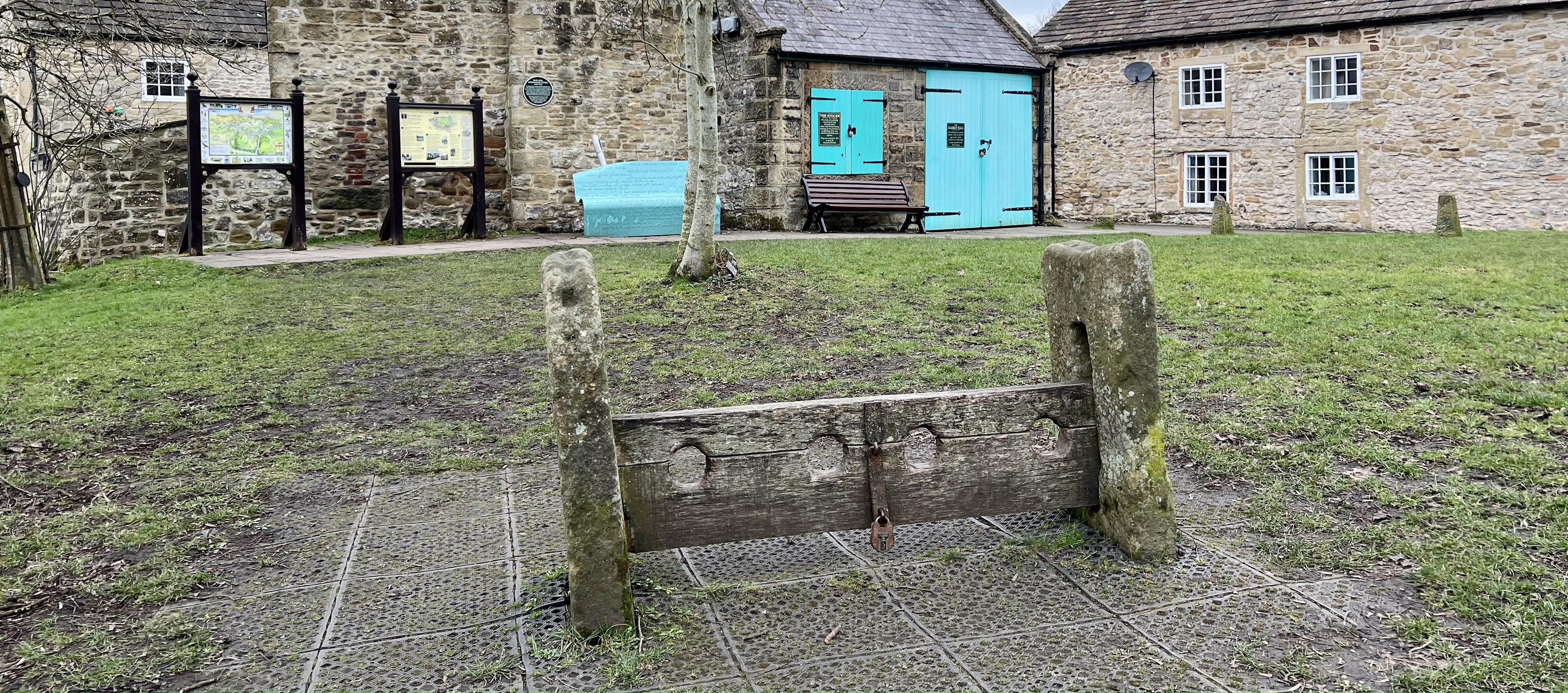
Eyam is the famous Peak District village where residents chose to isolate for 14 months in 1665 after a plague contaminated package was sent to a tailor there from London. Food/supplies were left at boundaries of an exclusion zone, marked by large stones with drilled holes where residents left vinegar soaked dosh to stop infection spreading. The death toll is variously described as 30/50/70% of 300-700 residents.
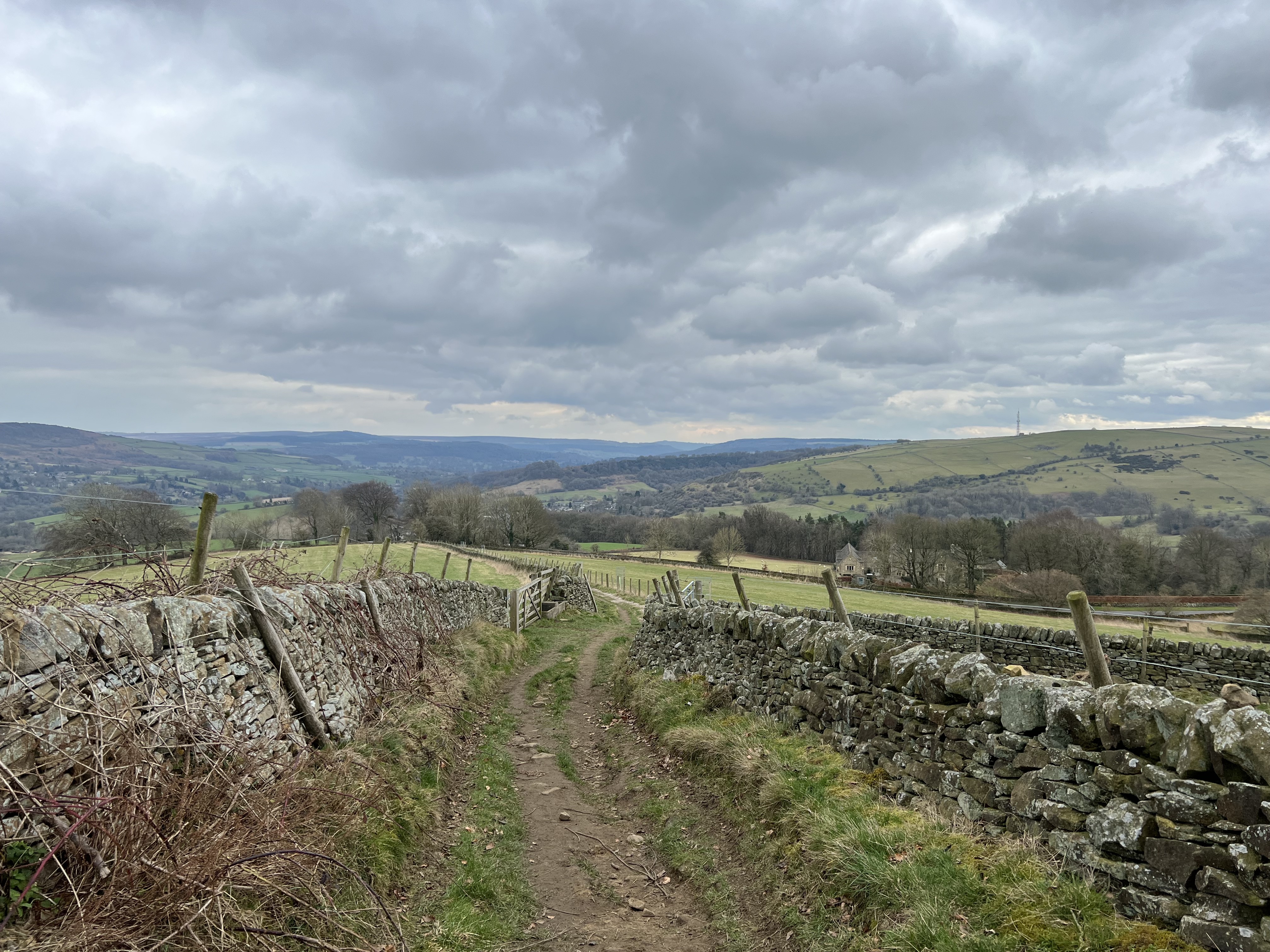
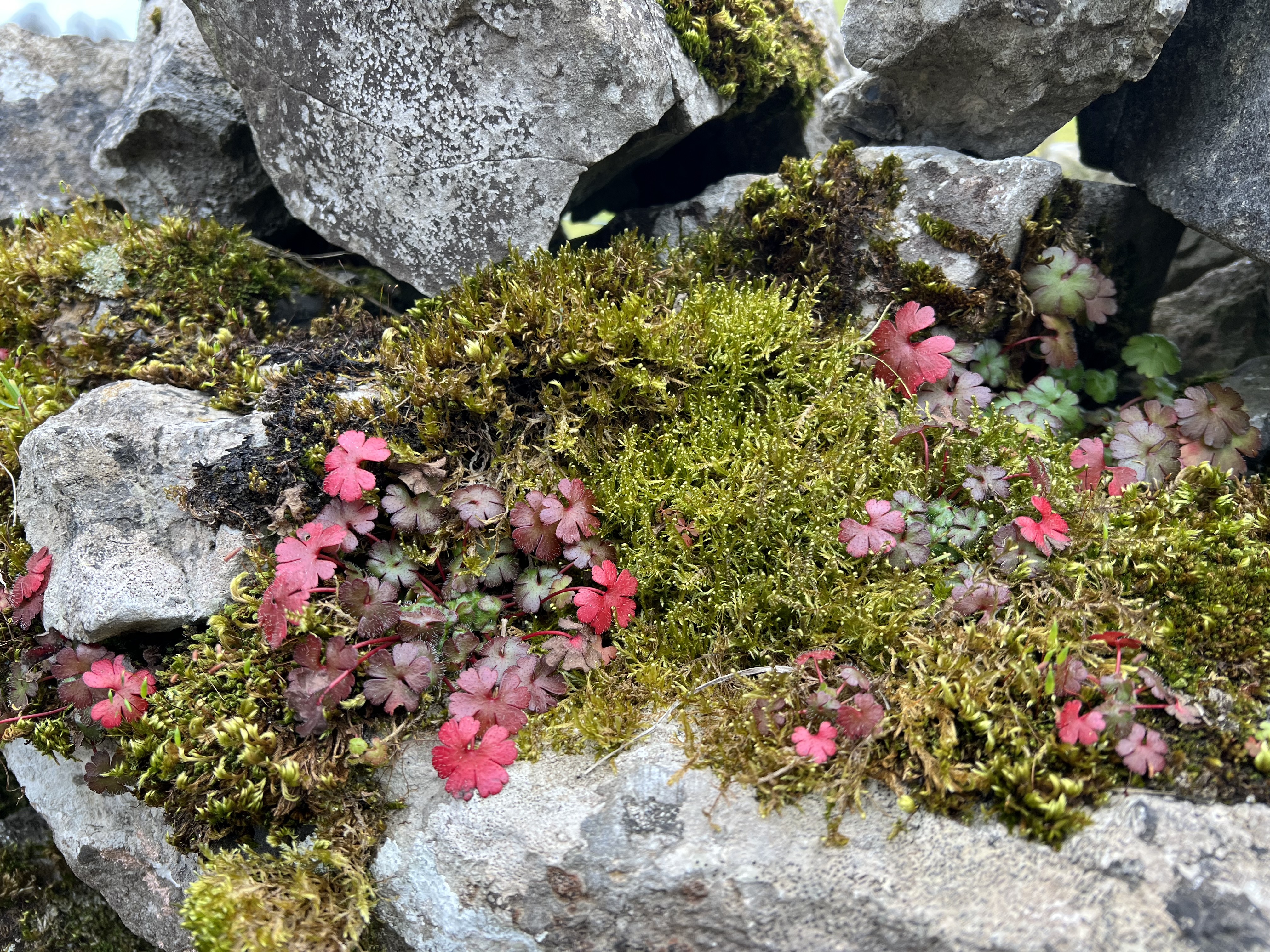
The loop round to Middleton Stoney is a path of easy beauty, quirkiness and hints of colour.
The ‘Plague Village’
The plague village story is documented in minute detail around the village and into the countryside. ‘Don’t miss the boundary stone with the six holes!’ type signage and other dramatic story boards along the walk. The Riley graves where Elizabeth Hancock buried six of her children and husband on a hillside alone while people from Middleton Stoney looked on in sorrow across the hillside. In the space of a week.
The children’s gravestones were later added to the father’s actual grave in a now National Trust managed site.
Academic Patrick Wallis carefully unpacked how the emergence of the ‘celebrity’ status of Eyam was reconstructed across three centuries and transformed into British heritage through a combination of literary efforts and contemporary events. His research is obliquely reflected in green sign detail around the village that refers to the digging up or destruction of burial sites and stones.
Wallis writes that the story of Eyam emerged so long after the event, that ‘immediate justification of actions against the plague, and the power and reputation of those involved was no longer an issue’. This meant that the story could be largely made up.
These bones have themselves been re-arranged and sometimes added to or discarded, while the flesh of the story built upon them has been moulded into even more varied forms.
In fact, poor residents in what was a mining village were disproportionately affected in mortality figures. Wallis suggests: the rich did a bunk; the ‘self sacrifice’ of Eyam residents was instead a wider 17th century form of lockdown; and there’s no mention of heroic actions by the two church leaders/villagers in any early tourist literature.
Writer Anna Seward’s sentimental and romanticised version of events in the early 1800s, together with a growing fascination with epidemics, created fertile ground for the story to grow ‘in an anecdotal patchwork of subplots’. Villagers were recycling gravestones for flooring before the plague bicentenary created the moment for the story to really take root. Material artefacts were needed to bolster this narrative and the rat infected clothing box was ‘discovered’, plaques were dotted around the village (without evidence or verification of the content) and in 1966 the Mayor of London sent a guarded apology for originally sending the plague to the village.
Public health learnings have been gleaned from the reconstruction of the (largely unknown) actions of Eyam residents (open air churches services and swift burials).
The death toll was clearly heavy whatever the numbers. Nearly 20 years ago now, Wallis ends with a quote from one of the three letters that exist written by Rev Monpesson. He demonstrates more humility in one line than the current offerings (or any comment about the pandemic by the government.)
‘The condition of the place has been so sad, that I persuade myself it did exceed all history and example.’
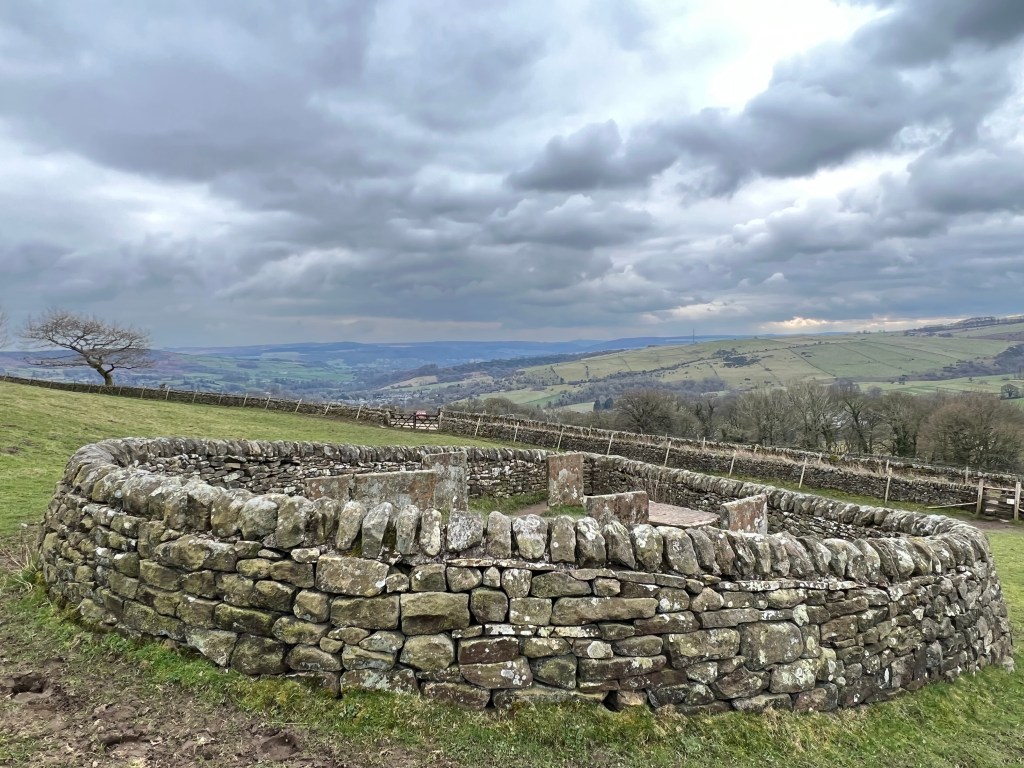
Practicalities: 3.5 mile well signposted walk. Park in museum car park then walk back to village square to pick up the signpost. Only one sheep sweep otherwise dog friendly. Warm spring, public baths and chippy in Middleton Stoney. Steady ascent up through woods on the loop back to Eyam. Heavy on the byways (another growing obsession).
Back to everyday blogging. A leap I didn’t anticipate or think about before today. Where to start? Peak life. Where the weather turns on the spin of a coin, tiny frogs scramble out of the pond in mid September and there is a freshness to the air that defies description.
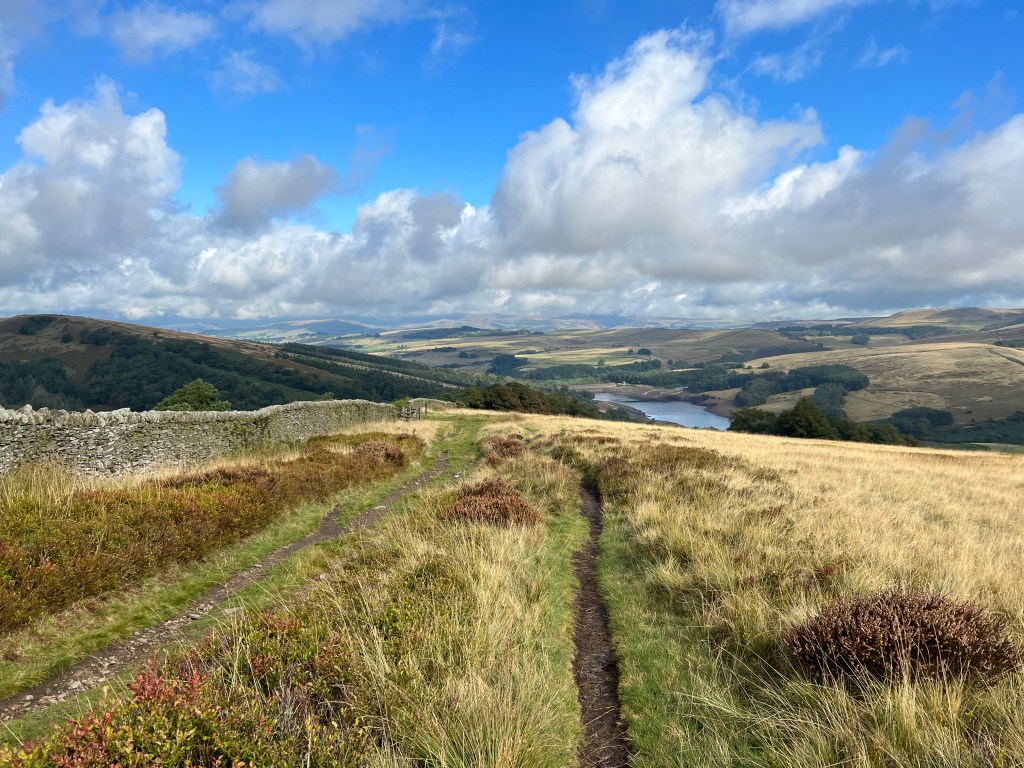
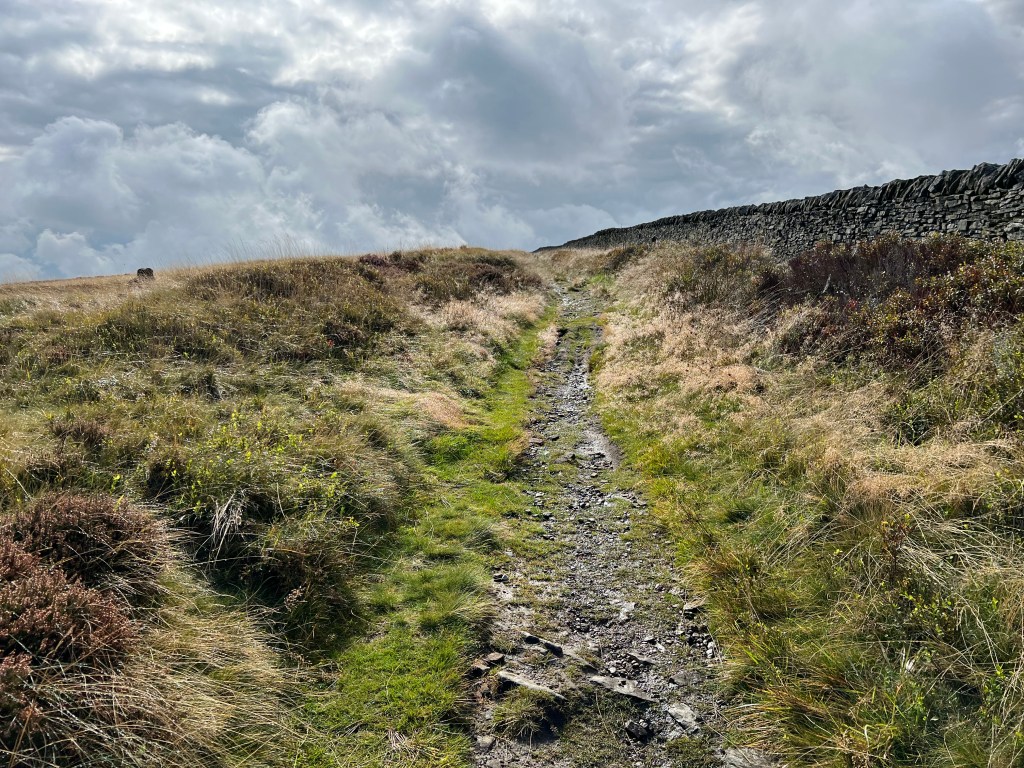
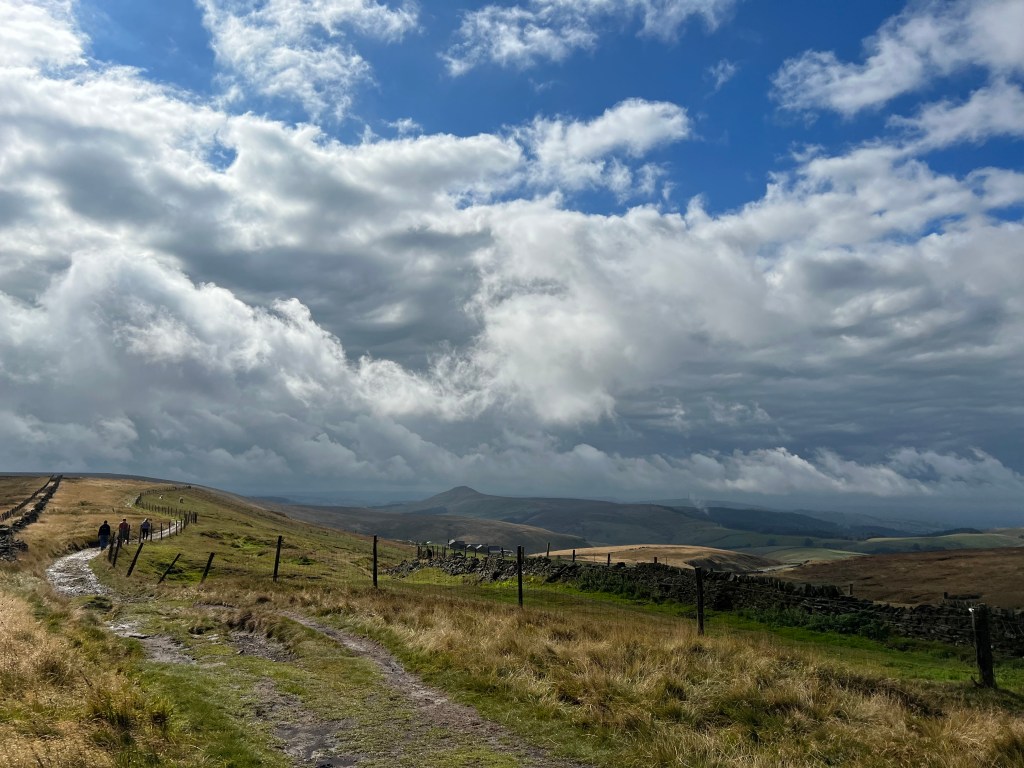
Today a five mile walk around the Goyt Valley two miles from Buxton. Following this trail. With varying cloud coatings.
It’s taken quite some fannying around setting up this blog [I know]. MyDaftLife probably involved the same ‘one step forward/delete’ process back in the day with less options. I would have done it with a cacophony background of family life (love) and the extraneous shit families with disabled children are forced to deal with.
I yearn for those days. Not the shit mind, that simply becomes more and more baffling.
When Connor died, a neighbour who had a grandchild in Rosie’s class told me she had a daughter who died in her 20s and the pain eased with time. I couldn’t understand how she had never said she had a child who died, how she didn’t blurt it out to everyone she met, how it wasn’t etched all over her being. I couldn’t understand how Rosie’s mate had an auntie they would never meet and took no comfort from her words. Talk to the hand, missy (I howled in my head) this unimaginable pain is going nowhere. Ever. How could it?
She was right. Over years the pain has imperceptibly shifted into a deep love I carry in my heart and hold ferociously, leaving only moments of breathtaking pain. That is quite something.
As are these hills.
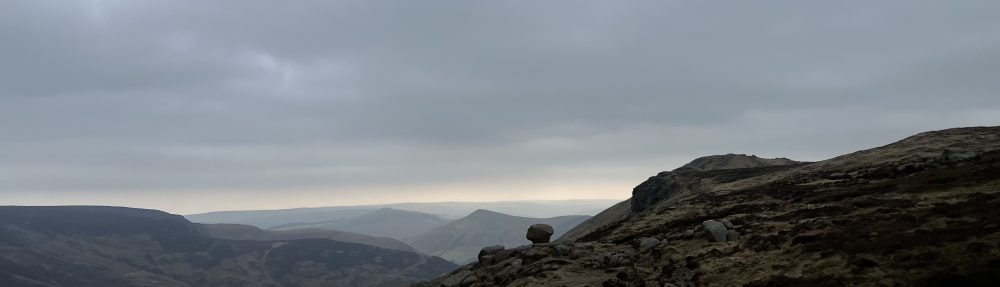
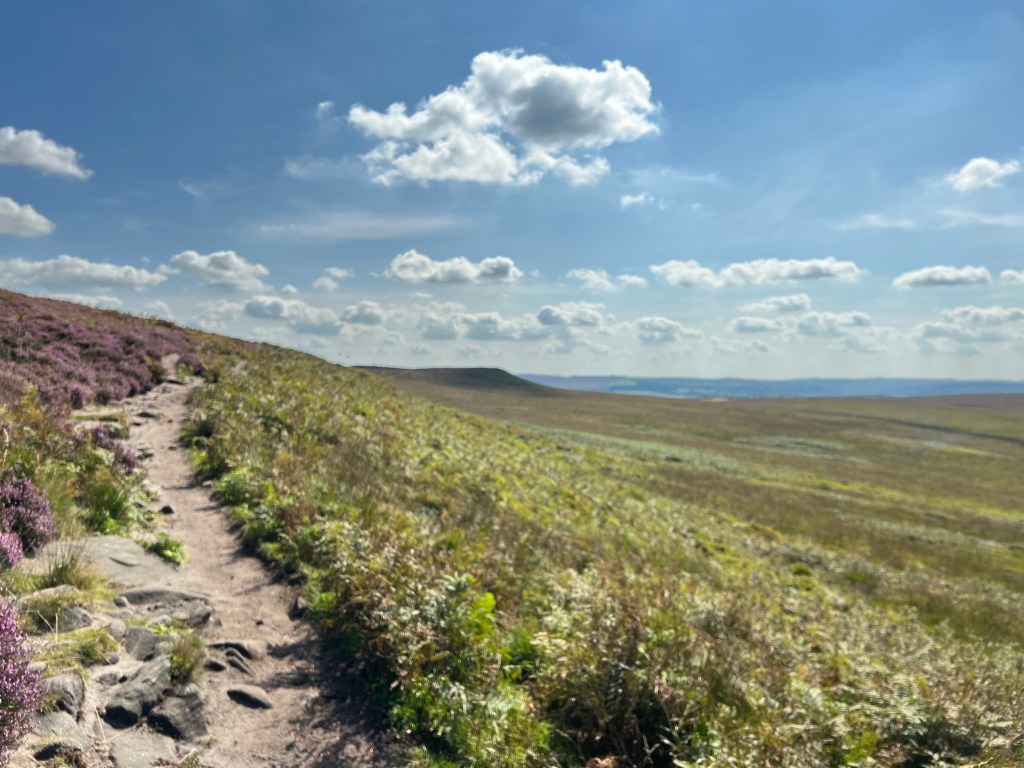
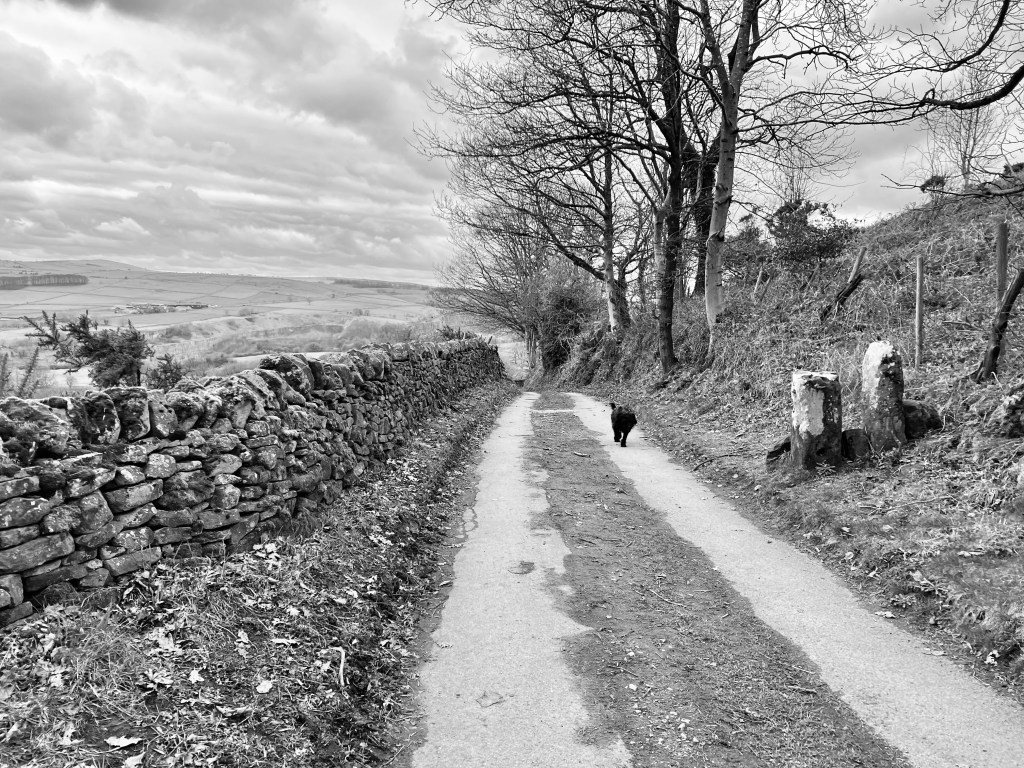
[Photos taken on the way to the start of the walk in the rain, looking back walking up from the reservoir, ahead up the path, ahead further up the path towards Cheshire, and left to the Cat and Fiddle pass to Macclesfield.]








 My Peak Life
Leave a comment